
Call: 08045477667
 Send Inquiry
Cable Gland
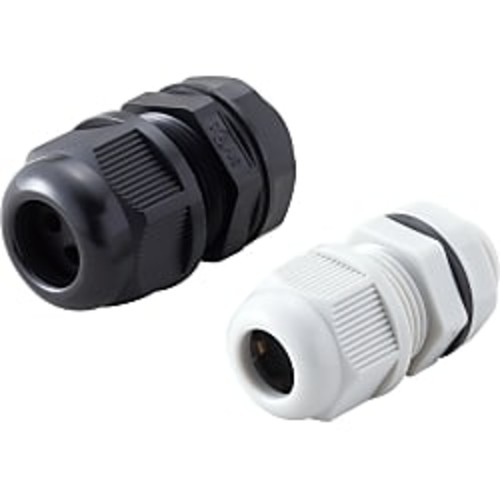
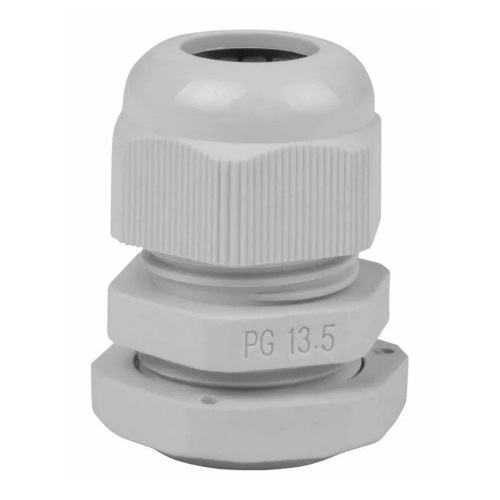
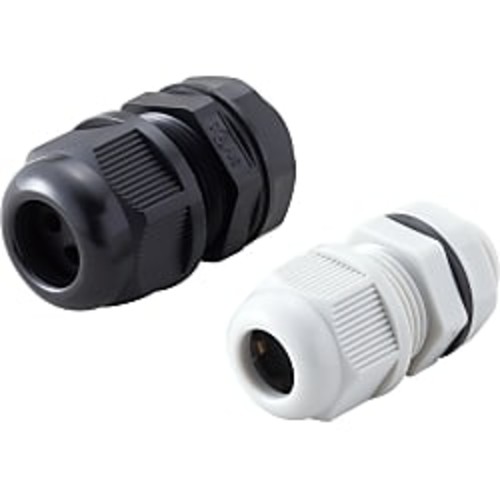
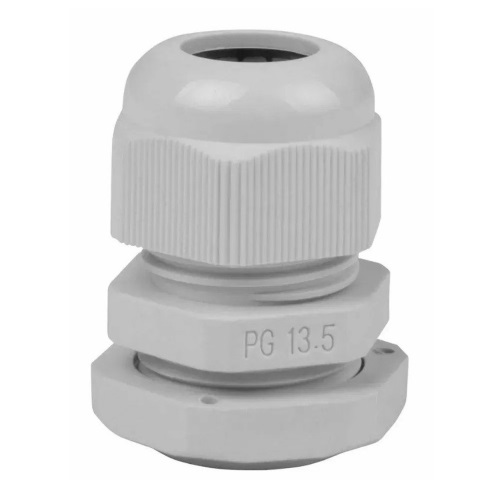

Cable Gland Specification
- Warranty
- 3 MONTHS
- Usage & Applications
- for all type connections
- Cable Type
- cable gland type
- Display Type
- cable gland type
- Conductor
- 2.2
- Frequency
- 50kg Kilohertz ( KHZ )
- Material
- nylon plastic
- Features
- for join connections
Cable Gland Trade Information
- Minimum Order Quantity
- 100 Pieces
- FOB Port
- NEW DELHI
- Payment Terms
- Cash in Advance (CID), Cheque, Paypal, Cash Advance (CA)
- Supply Ability
- 5000 Pieces Per Week
- Delivery Time
- 24 Hours
- Sample Available
- No
- Sample Policy
- If order is confirmed we will reimburse the sample cost
- Packaging Details
- BOXES
- Main Export Market(s)
- Asia
- Main Domestic Market
- All India
About Cable Gland
Cable glands (also known as cord grips or strain reliefs) are mechanical devices used to safely attach, secure, and seal the end of an electrical cable to an enclosure. They protect electrical equipment by preventing dust, moisture, and hazardous elements from entering, while providing essential pull and twist protection.
Core Functions
- Environmental Sealing: Prevents dust and water ingress, typically achieving an IP68 or IP69K rating.
- Strain Relief: Secures the cable to stop it from being accidentally pulled out or twisted, reducing stress on the internal electrical connections.
- Earthing & Grounding: For armored cables, many metal glands ensure electrical continuity with the cable's armor or braid.
- Hazardous Protection: In explosive or harsh environments, specialized flameproof and explosion-proof glands prevent internal sparks from igniting surrounding gases.
Common Types & Materials
- Polyamide/Nylon: Lightweight, corrosion-proof, cost-effective, and ideal for standard industrial, solar, or commercial uses.
- Nickel-Plated Brass or Stainless Steel: Highly durable and used in heavy machinery, marine environments, and hazardous or explosion-proof areas.
- EMC Glands: Designed with specialized conductive elements to ground shielded cables and protect them from electromagnetic interference.
Standard Thread Sizes
- Metric: Most common globally, designated by an "M" followed by the diameter in millimeters (e.g., M12 to M63).
- PG (Panzer-Gewinde): A traditional German thread standard often sized as PG7 up to PG29.
- NPT (National Pipe Taper):
Price 7.0 INR/ Piece
- Minimum Order Quantity
- 100 Pieces
- Supply Ability
- 5000 Pieces Per Week
- Delivery Time
- 24 Hours
- Main Domestic Market
- All India
- Main Export Market(s)
- Asia
 Get Latest Price
Tell us about your requirement

Price:
Quantity
Select Unit
- 50
- 100
- 200
- 250
- 500
- 1000+
Additional detail
Mobile number
Email


Contact Details
BRIDGEX GLOBAL PRIVATE LIMITED
GST : 07AAOCB1496L1Z4
- Shop No -7, Angoori Bagh, Yamuna Bazar, Red Fort,Delhi - 110006, India
- Phone :08045477667
 Send Inquiry
Developed and Managed by Infocom Network Private Limited.
